Per ogni difetto, c'è anche un talento, quindi...

... se riesci a scoprire almeno un tuo difetto, sicuramente hai almeno un talento!
.jpg)
(September 25, 2022, go to my art gallery)
Verso un uomo e una donna nuovi
La determinazione, la forza e il coraggio vincono ogni paura, ogni incubo!
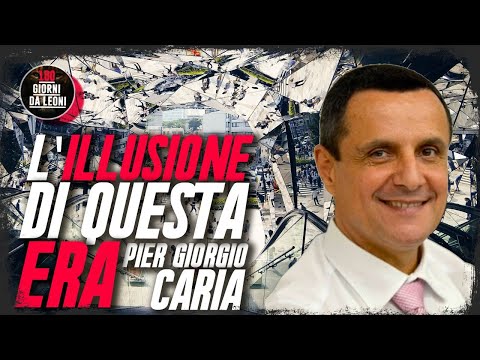
video tratto da: https://100giornidaleoni.it/tv/lillusione-di-questa-era-con-pier-giorgio-caria/
Creazioni illusorie e realtà viste allo specchio
Creazione illusoria
Vaccinarsi è un atto d'amore.
(papa Francesco, fonte)
Realtà vista allo specchio
I bambini non vaccinati sono indubbiamente e globalmente più sani.
(lettera firmata da 153 medici italiani, fonte)
Creazione illusoria
Inviare armi e usarle per uccidere può essere un atto d'amore.
(parafrasi e sintesi di papa Francesco, fonte)
Realtà vista allo specchio
Amate i vostri nemici, fate del bene a coloro che vi odiano, benedite coloro che vi maledicono, pregate per coloro che vi maltrattano. A chi ti percuote sulla guancia, porgi anche l'altra; a chi ti leva il mantello, non rifiutare la tunica.
(Gesù, Luca 6,27-31, fonte)
Creazione illusoria
In questa guerra, ci sono un solo aggredito e un solo aggressore.
(parafrasi e sintesi di Mario Draghi, fonte)
Realtà vista allo specchio
Negli ultimi otto anni abbiamo addestrato l’Ucraina per la guerra contro la Russia.
(John Kirby, portavoce del Pentagono, fonte)
Creazione illusoria
Il mondo ha oggi 6,8 miliardi di abitanti. Ci dirigiamo verso i 9 miliardi. Se facciamo un buon lavoro con i nuovi vaccini, la sanità, la salute riproduttiva, possiamo diminuirla forse del 10-15%
(parole esatte di Bill Gates, fonte 1 e fonte 2, anche se, con una guerra nucleare, si farebbe molto prima, n.d.t.).
A proposito, il tasso di fertilità mondiale è sceso di quasi il 60% (fonte), e sono almeno cinquant'anni che la ricerca e sviluppo dei vaccini è finalizzata alla sterilizzazione o all'aborto (documentario)
Realtà vista allo specchio
Alimentazione vegana ed equilibrata, stile di vita sano, pensiero consapevole e positivo, relazioni forti e sincere... questi sono il miglior vaccino contro il male di vivere e la paura di morire.
(mia Coscienza, poesia)
.jpg)
(September 20, 2022, go to my art gallery)
Conosci te stesso?
Questi sono esemplari di homo sapiens, o qualcos'altro?
E tu sei uguale a loro o sei diverso?
Conosci te stesso?
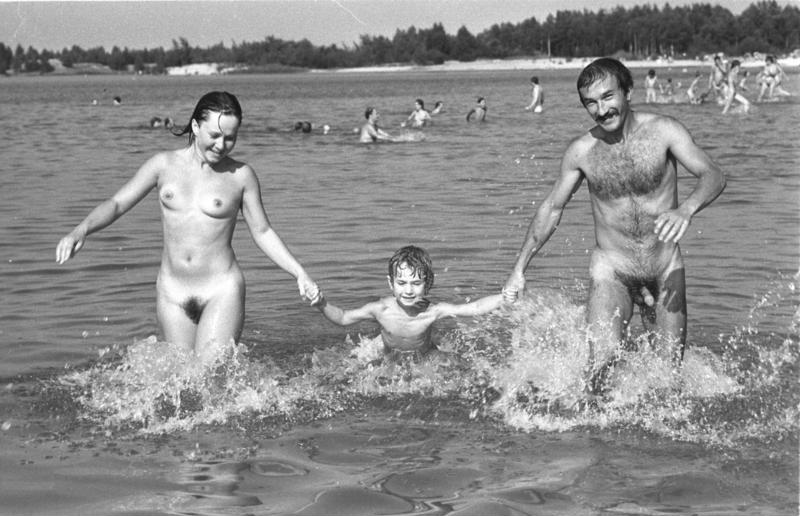
Più importante della risposta, è la domanda. Forse, più che chiederci se conosciamo noi stessi, sarebbe appropriato interrogarci sulla fattibilità della conoscenza di sé. Quindi, da questo punto di vista, la domanda più appropriata sarebbe: “E’ possibile, per ciascuno di noi, conoscere se stesso?”.
Partendo dal presupposto che la realtà ultima del tutto, cioè la Coscienza, non è né conoscibile, né indagabile, né in alcun modo descrivibile con le parole, temo che la risposta sia semplicemente “no”. Nessuno può conoscere se stesso, se per conoscenza intendiamo qualcosa di statico e ontologicamente fondato su una realtà che prescinda dagli umori e dalle interpretazioni del momento.
Ad ogni modo, un semplice “no” è fin troppo elusivo di una delle principali domande esistenziali che comunque pretende una risposta un po' più argomentata, quantomeno per dare un senso alle nostre attività quotidiane. Anche nel caso infatti che si voglia glissare su qualsiasi domanda di ordine filosofico e morale, riconducendo la propria esistenza a un mero sopravvivere o, al più, al ripetere le consuetudini sociali, un’idea di noi stessi siamo costretti a farcela.
E quest’idea, di solito, non è mai né scontata né banale.
Ad esempio, siamo sicuri di appartenere a una specie vivente di tipo animale, e nello specifico di essere membri della grande famiglia dell’homo sapiens? Se la risposta fosse sì, cosa significherebbe l’appartenere a tale specie? Che cosa distinguerebbe il fatto di essere umani dal non esserlo? E se invece la risposta fosse no, cos’altro saremmo?
La seconda ipotesi, cioè il fatto di non essere umani, può apparire peregrina, inconsistente o un mero esercizio intellettuale, ma tale non è. Consideriamo infatti alcuni esempi. Prahalad Jani, mistico indiano vissuto senza cibo né acqua dal 1940 al 2020, è stato un essere umano? Potrei porre la stessa domanda per i cosiddetti “respiriani”, ammettendone per implicito l’esistenza. Oppure, volendo fare un altro esempio estremo, cosa potremmo ipotizzare di Thái Ngọc, vietnamita tuttora vivo, che dal 1973 non ha più dormito neanche un'ora?
Questi sono casi estremi e rari, diranno alcuni. E, in effetti, così pare. Però, includendo nella nostra analisi anche le persone che dormono, mangiano, bevono e in generale fanno una vita socialmente normale, quante di queste si sentono figlie della terra e parte di questo mondo tanto quanto lo sono le piante e gli altri animali? Quante invece si sentono figlie del cielo e percepiscono che questo pianeta non è il loro posto, se non temporaneamente o, al peggio, per costrizione? Queste ultime sentono se stesse come pienamente umane? O sentono che la loro natura è un’altra? O addirittura hanno ricordi di altri mondi?
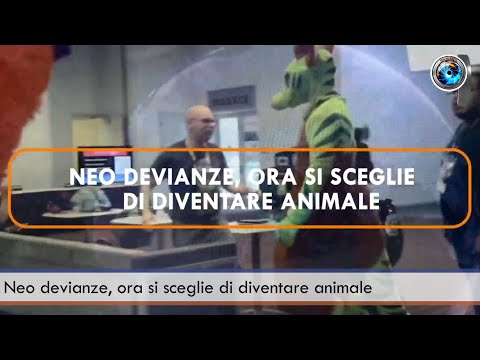
Cos'altro dire poi del recente fenomeno di chi considera se stesso un animale appartenente ad una specie diversa dall'homo sapiens? Mi riferisco a quella che, secondo la neocultura dell'interscambiabilità dei generi, si chiama "subcultura furries", adottata per lo più da bambini e adolescenti. Sia dall'Australia che dagli Stati Uniti, infatti, ci sono sempre più segnalazioni di studenti di scuole primarie e secondarie che da un giorno all'altro hanno iniziato a camminare a quattro zampe, hanno smesso di parlare e hanno iniziato ad esprimersi come gatti, conigli, cani, rettili e quant'altro. All'inizio del 2022, nel Michigan (Stati Uniti), una scuola è stata persino accusata di aver messo a disposizione una lettiera per i bambini che si identificano come gatti (fonte).
E’ quindi evidente che il considerare se stessi come “umani” non è così scontato. E, ammesso anche di riconoscersi in tale categoria, il confine tra ciò che è umano e ciò che non lo è appare molto sfumato e, talvolta, indecidibile. Non è chiaro in quale rapporto sia la categoria dell’umano con altre categorie che, per definizione, non sono umane. Non mi sto riferendo solo agli alberi, al cielo, al mare o ai gatti, ma anche agli alieni (UFO, UAP, o extraterrestri), agli angeli o lux o altri esseri incorporei, compresi i fantasmi, gli spiriti dei defunti, ecc. Come si rapporta l’umano rispetto al diavolo o al divino, o a categorie ibride tra umano e non-umano, come maghi, streghe, medium e fattucchiere varie? Forse tra le categorie ibride rientrano anche esemplari di cui non è facile decidere se sono umani o non, come Draghi e tanti altri esponenti della finanza predatoria.
Ma andiamo avanti, e ammettiamo pure d’avere un’idea soggettiva e temporaneamente soddisfacente di cosa significhi essere umani. Questo è solo il primo passo. Il secondo passo è il genere. Una volta gli umani potevano essere o maschi o femmine. Senza allargarmi su questo tema, voglio ricordare che quest'estate sono entrato nei bagni pubblici vicino a una spiaggia. C'erano tre porte: una per i maschi, una per le femmine, e una per chi non sa quale delle altre due porte scegliere (giusto per essere in tema sulla problematica del sapere chi siamo). Ma andiamo oltre...
Sulla strada della conoscenza di sé, che a ragion veduta assomiglia sempre di più a un percorso tortuoso, ramificato e pericoloso su disagevoli vie di montagna, ci sono molti altri impedimenti e implicazioni. Tra questi, interrogarsi su se stessi significa anche domandarsi cosa siano la vita, la morte e il mondo in cui viviamo. E qui le cose si complicano terribilmente, soprattutto se prendiamo come verosimile la natura olografica e frattalica del nostro universo, in cui il tempo e lo spazio sono non-locali o, detto diversamente per esser più chiari, non esistono se non come finzione. I fisici quantistici mi scuseranno per l’estrema semplificazione, non potendo far di meglio in questa circostanza.
Dove possono portarci tutte queste riflessioni? Lontano dall’esperienza quotidiana o a un possibile cambiamento radicale di essa? Io propendo per la seconda. Se la maggior parte delle persone considerasse infatti la nascita e la morte come un'illusione, giacché in questo universo non nasce e non muore nessuno, allora non ci sarebbero state né la dichiarata ma inesistente pandemia, né i morti causati dall’aver dato credito al potere dominante (rendendo quindi vera, con i nostri pensieri e comportamenti, la pandemia nelle sue conseguenze ma non nelle sue premesse), né i lockdown, né le mascherine, né i vaccini, né il green pass, né Draghi. Non saremmo neanche arrivati al punto di distruggere l’ecosistema, cioè la nostra e l’altrui casa, perché la consapevolezza di chi siamo ci avrebbe indirizzati altrove.
Ed eccoci arrivati al paradosso. Non possiamo sapere chi o cosa siamo (questa è la mia premessa), ma per vivere bene e rendere il mondo un posto più vivibile dobbiamo essere ben consapevoli di chi e cosa siamo (questa è la mia conclusione).
Stando così le cose, ci conviene abbandonare ogni altra speculazione e stare, soprattutto, nell’esperienza quotidiana con gli altri. Non è possibile infatti conoscere se stessi senza prima conoscere l’altro diverso da sé, e non è possibile conoscere l’altro diverso da sé senza prima conoscere se stessi. Archetipicamente, la verità su di sé è mostrata dallo specchio. Le altre persone e le varie situazioni piacevoli e spiacevoli della vita sono il nostro specchio.
Di contro, però, i social network sono strumenti asociali di alienazione dalla conoscenza di sé e degli altri. L’affidamento alla tecnologia e all’intelligenza artificiale sono infatti sintomo di una scarsa e inadeguata conoscenza di sé. In poche parole, maggiore è la fiducia nella tecnologia, e minore è la fiducia in se stessi, e viceversa.
Comunque, al di là della disumanizzazione dei social, progettati e costruiti appositamente per tirar fuori il peggio di noi stessi, perché mai il mondo dovrebbe farci da specchio? E’ esperienza comune, infatti, quella di sentirci ingabbiati in situazioni ingiuste e punitive di cui non ci sentiamo parte.
Una possibile risposta è che noi siamo coscienze, o meglio, parti dell'unica Coscienza universale, che entrano ed escono da corpi materiali per fare esperienza e acquisire consapevolezza. Da questo punto di vista, il male non viene mai per nuocere, ma è uno strumento per progredire nel percorso di consapevolezza. Noi creiamo il mondo a nostra immagine e somiglianza, esternalizzando quello che ancora non abbiamo capito. Quando finalmente, come Coscienza universale, avremo capito tutto, non avremo più bisogno di farci guerre, né di vivere di egoismi, narcisismi e cattiverie varie.
(18 settembre 2022)
sullo stesso argomento: "Conosci te stesso?", di Giulio Ripa
Le message du Général Christian Blanchon rendant hommage aux non-vaccinés
.jpg) Après de nombreux mots de haine, lire des mots d'éloge me rend heureux. Cependant... je trouve la logique du "nous" d'un côté et du "eux" de l'autre dangereuse. Ce n'est pas une logique juste. Ceux qui veulent nous diviser raisonnent de cette façon.
Après de nombreux mots de haine, lire des mots d'éloge me rend heureux. Cependant... je trouve la logique du "nous" d'un côté et du "eux" de l'autre dangereuse. Ce n'est pas une logique juste. Ceux qui veulent nous diviser raisonnent de cette façon.
J'ai des amis vaccinés et non vaccinés, et chacun d'entre eux, à sa manière, est un héros.
Nous essayons d'aimer tout le monde et de protéger la vie. C'est la chose la plus importante.
(14 septembre 2022)
source: medias-presse.info
Ils sont là, à vos côtés, ils semblent normaux, mais ce sont des super-héros.
Même si j’étais entièrement vacciné, j’admirerais les non-vaccinés pour avoir résisté à la plus grande pression que j’ai jamais vue, y compris de la part de conjoints, de parents, d’enfants, d’amis, de collègues et de médecins.
Les personnes qui ont été capables d’une telle personnalité, d’un tel courage et d’une telle capacité critique incarnent sans aucun doute le meilleur de l’humanité. *
On en retrouve partout, dans tous les âges, niveaux d’éducation, pays et opinions.
Ils sont d’un genre particulier ; ce sont les soldats que toute armée de lumière souhaite avoir dans ses rangs.
Ils sont les parents que tout enfant souhaite avoir et les enfants que tout parent rêve d’avoir.
Ce sont des êtres au-dessus de la moyenne de leurs sociétés, ils sont l’essence des peuples qui ont construit toutes les cultures et conquis les horizons.
Ils sont là, à vos côtés, ils semblent normaux, mais ce sont des super-héros.
Ils ont fait ce que les autres ne pouvaient pas faire, ils ont été l’arbre qui a résisté à l’ouragan des insultes, de la discrimination et de l’exclusion sociale.
Et ils l’ont fait parce qu’ils pensaient être seuls, et croyaient être seuls.
Exclus des tables de Noël de leurs familles, ils n’ont jamais rien vu d’aussi cruel. Ils ont perdu leur emploi, ils ont laissé leur carrière sombrer, ils n’avaient plus d’argent… mais ils s’en fichaient. Ils ont subi d’incommensurables discriminations, dénonciations, trahisons et humiliations… mais ils ont continué.
Jamais auparavant dans l’humanité il n’y a eu un tel « casting », nous savons maintenant qui sont les résistants sur la planète Terre.
Des femmes, des hommes, des vieux, des jeunes, des riches, des pauvres, de toutes races et de toutes religions, des non vaccinés, les élus de l’arche invisible, les seuls qui ont réussi à résister quand tout s’est effondré.
C’est vous, vous avez passé un test inimaginable que beaucoup des marines, commandos, bérets verts, astronautes et génies les plus coriaces n’ont pu surmonter.
Vous êtes fait de l’étoffe des plus grands qui aient jamais vécu, ces héros nés parmi les hommes ordinaires qui brillent dans l’obscurité.»
Christian Blanchon, général de l’armée française
Siamo nuvole del cielo della Coscienza, illuminate dal Sole della Vita
.jpg)
(September 12, 2022, go to my art gallery)
Ci creiamo il mondo a nostra immagine e somiglianza...
... un mondo in cui ciò che sentiamo bello e piacevole rinforza ciò che già abbiamo capito o che fa parte della nostra natura. Al contempo, ciò che ci mette a disagio o ci fa soffrire evidenzia ciò che ancora non abbiamo capito. E’ un percorso personale di consapevolezza, in cui le emozioni ci aiutano.
Nel costruire il nostro mondo illusorio, ci prendiamo i pezzi di dualità di cui abbiamo bisogno per fare esperienze reali, e progredire.
Nel mentre, la Coscienza, cioè la Vita, sta facendo un buon lavoro. Non c’è nulla di cui dobbiamo aver paura, e nulla da giudicare. Le cose vanno bene come stanno andando.
.jpg)
(September 9, 2022, go to my art gallery)
Silenzio atomico
Quando c'è un problema grosso che non riusciamo a risolvere, non rimane che il silenzio.
Ma non un silenzio passivo e rassegnato, bensì un silenzio accompagnato dalla coerenza con la propria coscienza e dal desiderio di proteggere la vita.
Dando tempo al tempo, l'aumento dell'entropia, cioè della consapevolezza, sistemerà le cose.
Non so quanto tempo servirà, ma dal punto di vista dell'eternità della vita non è quello il problema.
Quando suonano le campane a morto, in realtà nessuno è morto.
Quando un bambino è partorito, in realtà nessuno è nato.
E' come un folle attore geniale che, animato d'intelligente e disgraziata stupidità, esce o entra in scena con coraggiosa codardia: questo poveraccio già esisteva prima di mostrarsi e continuerà ad esistere anche dopo lo spettacolo.
Niente muore o nasce con noi, perché tutto già esiste.
L'amore per la vita e per la concordia non devono fare nient'altro che rimanere se stessi.
La volontà di sopraffazione e dominio, invece, finirà con il distruggersi con le sue stesse armi.
Ciò che è prezioso, o persino sacro, non ha bisogno di essere sbandierato ai quattro venti, perché la paura e l'invidia altrui si adopereranno alacremente per distruggerlo.
I gioielli della vita sono meglio riposti nella segretezza del nostro cuore.
.jpg)
(August 30, 2022, go to my art gallery)
Studiare serve a confermare la propria ignoranza?
Anni di studio “matto e disperatissimo”, di leopardiana memoria, dove possono portarci? Secondo me, sono possibili almeno due “punti di arrivo”, seppur temporanei.
Il primo, auspicabile, è quello di prendere consapevolezza della propria non-conoscenza e dell’impossibilità di conoscere, giacché la realtà è fatta di opposti compresenti che non possono coabitare serenamente nella propria mente, a meno di non scivolare nell’orwelliano bipensiero (nel peggiore dei casi) o d’abbracciare completamente la disorientante impostazione filosofica di Nagarjuna (nel migliore dei casi). Nagarjuna dimostrò il carattere erroneo di tutti i concetti che gli esseri umani considerano come veri. Se vogliamo comprendere la realtà con il ragionamento, infatti, inciampiamo in una contraddizione dopo l'altra, perché nessuna cosa ha una sua caratteristica inalterabile da poter offrire come sicura garanzia. Da questo punto di vista, il paradosso socratico di sapere di non sapere mi pare la posizione più equilibrata, sebbene non possa salvarci dal rischio della follia. Casomai, se abbiamo la fortuna di essere abbastanza introspettivi, può aiutarci ad essere più consapevoli della nostra inevitabile follia.
Il secondo punto di arrivo, al contrario, è quello di sapere di sapere. Questo ci aiuterà a strutturare il nostro ego, a provare a svolgere il nostro lavoro nel migliore dei modi, e a relazionarci con gli altri mostrando competenza. Potremo dare consigli e darci da fare per il bene di tutti o, estremizzando, per salvare il mondo (solitamente facendo quasi soltanto danni, sbandierati come opere di carità, di generosità o persino di filantropia). Impareremo che, per avere successo ed essere credibili, non dobbiamo mai mostrare incertezze. Come ci suggerisce la programmazione neurolinguistica, è sempre meglio inventare una risposta convincente piuttosto che tacere di fronte a domande su cui, in verità, avremmo poco o nulla da rispondere. In sintesi, questo punto di arrivo è quello di chi esibisce idee chiare su se stesso, sulla vita e sulle proprie competenze. Se poi tale esibizione di chiarezza sia reale o simulata, è un altro discorso.
Ad un primo sguardo, il primo e il secondo punto di arrivo sembrano agli antipodi. In realtà, sono lo stesso punto o, detto in altro modo, sono due punti sovrapposti. E, in quanto temporanei, sono due punti sovrapposti che si spostano continuamente, perché, in fondo in fondo, non c’è nessun punto di arrivo.
Ma allora, se anni di studio matto e disperatissimo non hanno alcun punto di arrivo, cosa possiamo dire di noi stessi? Cosa possiamo rispondere alla domanda “Chi sono io?”. Anzi, meglio ancora, alla domanda: “Io esisto?”. Forse questa, che potrebbe sembrare la domanda delle domande (che peraltro quasi nessuno si pone), è mal formulata, perché non ci sono né esistenza né non-esistenza. Di un oggetto, di un essere vivente, di noi stessi, di un qualsiasi ente concettualizzabile o persino nominabile ma non concettualizzabile (come nel caso di Dio) non si può dire né che “è così”, né che “è non così”; né che “è ambedue”; né che “non è ambedue”. Giacché tutto ciò che esiste o non esiste ha la caratteristica di esistere o di non esistere in base alle relazioni con qualcos’altro diverso da sé, tutte le cose sono prive di natura propria, per cui, a seconda del punto di vista, sono una cosa o un'altra. E soprattutto, panta rei, tutto scorre, in un flusso d’impermanenza che porta via tutto, anche la paura di vivere, la paura di morire, e la pretesa di capire... ma solo se sappiamo stare nel flusso, altrimenti sarà soltanto dolore.
(21 agosto 2022)
Credo nella scienza perché...
... perché l’unica cosa che la scienza può dire è di non sapere.
.jpg)
(August 19, 2022, go to my art gallery)
Pages
Recent content
