
Avviso ai lettori


Cari amici e nemici, cari lettori occasionali, cari studiosi e curiosi, cari folli, saggi, martiri e santi, un saluto a tutti.
In questo blog, per il momento ho scritto 1.708 articoli, per un totale di 1.625.602 parole (senza considerare i PDF, le immagini, i video e altri allegati). Questo conteggio è aggiornato al 27 ottobre 2026. L'ultima stampa scaricabile del blog in PDF, fatta il 3 marzo 2026, conta 5913 pagine A4.
Vorrei chiedervi una cortesia. Per favore, non cercate una coerenza o un filo conduttore comune in questo oceano di parole, di immagini e di video. Sarebbe una fatica sprecata. E' più interessante notarne le contraddizioni e meditare se dietro l'inganno dei ragionamenti e dei sentimenti c'è qualcosa di reale. E', in fondo, un'attitudine che richiama Pasolini e la sua esperienza della contrapposizione (cfr. L’illuminante attualità di Pasolini, 2 novembre 2025, di Giulio Ripa).
Per favore, anche se vi pare di conoscermi, evitate la presunzione di provare a decifrare quello che penso o che credo. Scrivo perché la mia natura mi chiede di farlo, ma non cerco di cambiare le idee o i comportamenti di nessuno: universalizzare le proprie idee e farne propaganda o retorica "per cambiare gli altri" è una forma sottile di violenza. Solo i fessi "hanno ragione". Le idee sono illusioni mutevoli e cangianti che svaniscono nella vacuità e nella contradditorietà di questa allucinazione chiamata mondo, in cui ciò che è giusto è anche sbagliato, il falso è anche vero.
Per favore, non cercate di convincermi di qualcosa, perché non sono d'accordo nemmeno con i miei pensieri. Come alternativa alle idee seducenti e alla propaganda, preferisco l'autoesame e l'autocritica.
Ciò che qui leggerete è, non è, è e non è, né è né non è. Se non vi è chiaro questo tetralemma, sto dicendo che le cose non sono mai come sembrano: non c'è un modo adeguato per descrivere la realtà.
Grazie per la vostra presenza e pazienza,
pace e bene a tutti,
qui sotto trovate i miei ultimi articoli.
Confessione di un passante
Per ciò che mi è caro e per ciò che mi è sgradito ho commesso colpe di molti tipi. Non avevo compreso che si deve andare, lasciando tutto.
Ciò che mi è sgradito scomparirà. Ciò che mi è caro scomparirà. Anch’io scomparirò. Tutto scomparirà.
Tutto ciò che vivo diventa ricordo. Come ciò che ho vissuto in sogno, quanto è passato non lo rivedrò più.
Io sono ancora qui, ma molti di coloro che mi erano cari o sgraditi se ne sono già andati. Il male che ho compiuto, mosso dall’attaccamento e dall’avversione, rimane. Mi sta davanti, terribile.
Sono di passaggio, sono un visitatore, e non me ne ero reso conto. Per ignoranza, attaccamento e avversione ho commesso molte colpe.
Anche quando ciò che volevo trattenere o respingere non c’è più, resta il peso del male che ho compiuto.
Desidero curare la mia ignoranza, così che le mie azioni siano sempre più benefiche.
(26 ottobre 2026, libera rielaborazione da Śāntideva, Bodhicaryāvatāra, II, 35–39)
Il futuro negato: la rabbia in prima pagina, le sue ragioni fuori campo
Ci sono parole che permettono di chiudere un’inchiesta prima ancora di averla cominciata. «Maranza» è una di queste, quando diventa la spiegazione universale della rabbia giovanile. Bastano una tuta, un gruppo in strada, un atteggiamento giudicato minaccioso: la persona scompare dentro il personaggio. Il lettore riceve un colpevole già confezionato. Le domande possono aspettare. Di solito aspettano fuori dal giornale.
Poi arriva la precisazione: «di seconda o terza generazione». Sembra un’informazione in più. Può diventare un’insinuazione in più. Un ragazzo nato e cresciuto qui viene ricondotto al viaggio di suo padre o di suo nonno, come se quel viaggio contenesse già la spiegazione del suo comportamento. La storia migratoria di una famiglia può aiutare a capire una biografia; usarla come risposta automatica alla domanda su una protesta significa trasformare una discendenza in un sospetto. Il nonno ha attraversato un confine; al nipote si chiede di continuare a portarselo addosso.
Il messaggio passa attraverso l’accostamento: giovani, origini straniere, scarsa integrazione, pericolo. Il lettore viene accompagnato verso una conclusione senza che nessuno debba assumersi la responsabilità di dimostrarla. Le condizioni in cui quei ragazzi vivono escono dall’inquadratura. Al loro posto entra un difetto di appartenenza. Una questione sociale viene riscritta come un problema di ordine pubblico e di provenienza. Il sistema scompare dall’indagine proprio nel momento in cui dovrebbe entrarci.
Lo stesso vizio si vede nell’uso della sigla «Movimento 17 ottobre». Sì, esistono comunicati, canali social e un’autodefinizione pubblica, ma questo non risponde alle domande essenziali: "Quante persone vi si riconoscono davvero?", "Quali piazze rappresenta?", "Quali rapporti ha con chi ha protestato prima che comparisse?". Le informazioni pubbliche lasciano aperti questi interrogativi. Eppure basta pronunciare quel nome come se contenesse già un’organizzazione compiuta, una volontà unica, una spiegazione generale. Il vuoto di conoscenza viene riempito dalla sicurezza del tono.
Poi arrivano le parole che fanno il resto del lavoro. Un titolo dell'ANSA parla della «mente» del movimento; il testo riferisce ipotesi di reato, compresa la finalità di terrorismo. In queste parole si apre un mondo. Un’ipotesi d’accusa riguarda persone e condotte precise. La «mente» evoca invece un corpo obbediente, una regia, una folla manovrata. Accostata alle immagini delle piazze, la parola terrorismo finisce per colorare tutto ciò che le sta intorno. Nessuno deve scrivere che sono tutti terroristi: basta costruire il racconto in modo che il sospetto cada su tutti. La metacomunicazione pronuncia la sentenza che il testo evita di firmare.
Il pressappochismo diventa così un metodo. Si parte da un frammento, un sospetto, una fonte interessata. Un articolo lo rilancia; un secondo cita il primo; un terzo tratta l’esistenza dei primi due come una conferma. A ogni passaggio si aggiunge qualcosa: una conoscenza, una fotografia, una frase estratta da una chat, una coincidenza trasformata in collegamento. Alla fine il racconto sembra solidissimo perché è pieno di particolari. Ma la precisione del dettaglio non dimostra la verità del collegamento.
È narrativa fantasy spacciata come cronaca. Un particolare inventato e uno autentico possono servire lo stesso inganno: suggerire un collegamento che nessuno ha dimostrato. La tesi viene prima, i fatti vengono arruolati dopo. Ogni nuovo pezzo serve a sostenere il precedente, finché la circolazione della storia prende il posto della sua verifica. Intanto il pubblico viene trascinato verso il contorno: chi conosce chi, che cosa indossa, quale parola ha usato. Le domande sul lavoro, sulla casa, sulle decisioni politiche spariscono sotto il rumore.
È un vizio antico. Nel 2004 il New York Times riconobbe gravi carenze nella propria copertura delle presunte armi irachene di distruzione di massa. La guerra era già cominciata. Una rettifica può correggere un archivio; non restituisce la vita a nessuno. È questa la misura della responsabilità: ciò che si presenta al pubblico come certezza può contribuire a rendere accettabile una catastrofe. Le scuse successive non cancellano il lavoro fatto prima.
È qui che un certo giornalismo fallisce nel suo compito principale: spiegare la realtà sociale, rendere visibili i rapporti di forza, mettere chi esercita il potere davanti alle proprie responsabilità. Una dichiarazione del ministro, una versione della questura, una formula ripetuta in televisione sono materiali da verificare e interrogare. Quando diventano una spiegazione sufficiente, il giornale rinuncia alla propria autonomia. Il potere parla e la cronaca gli regge il microfono.
I fatti vanno accertati e le responsabilità individuali attribuite a chi le ha. Chi subisce un’aggressione ha diritto a giustizia. Proprio per questo occorre distinguere un reato, una protesta, un’appartenenza culturale, una condizione di marginalità. Ammassare tutto sotto un’etichetta sprezzante impedisce di capire ciascuna di queste cose. L’origine familiare non prova una colpa; la condanna di un gesto non esaurisce la spiegazione del mondo in cui quel gesto avviene.
Bisognerebbe cominciare da ciò che si chiede ai giovani di accettare. Lavorare e non riuscire a rendersi autonomi. Studiare senza poter immaginare dove porterà quella fatica. Rimandare una casa, una famiglia, un figlio, fino a perdere il conto dei rinvii. Sentirsi chiedere continuamente disponibilità, adattamento, sacrificio, mentre la possibilità di costruire qualcosa di proprio resta appesa a una decisione altrui. A forza di chiamare tutto questo «flessibilità», si finisce per dimenticare che a piegarsi sono le persone.
La privazione ha anche una misura concreta. Secondo l’Istat, nel 2025 il 12,1% dei giovani tra 18 e 34 anni viveva in povertà assoluta: quasi un milione e duecentomila persone. È un pezzo di realtà che dovrebbe trovare posto accanto alle immagini degli scontri. E una vita dignitosa richiede più del superamento di una soglia statistica: richiede tempo, stabilità, relazioni, la possibilità di scegliere e di progettare. Anche questo appartiene alla notizia.
La rabbia giovanile va interrogata anche come una domanda di vita. C’è una fame di futuro che il linguaggio dell’emergenza non sa nemmeno nominare: lavorare senza consumarsi, amare senza fare ogni volta i conti con la paura, formare una famiglia se lo si desidera, mettere a frutto le proprie capacità, contribuire a una comunità. Avere un posto nel mondo che consenta di partecipare alle decisioni, invece di limitarsi a subirle. La realizzazione personale e quella collettiva cominciano da qui.
Un ordine sociale che rende irraggiungibili questi desideri e pretende gratitudine per le briciole esercita un’oppressione. Quando risponde al dissenso soltanto con la disciplina e il sospetto, quell’oppressione mostra il suo volto autoritario. Si chiede ai giovani di arrangiarsi e, al contempo, di farlo in silenzio. Chi accetta deve considerarsi fortunato; chi protesta deve dimostrare di essere rispettabile prima ancora di poter essere ascoltato. L’obbedienza diventa il prezzo del riconoscimento.
La domanda sull’integrazione va allora rivolta anche alla società che la esige. Integrarsi in che cosa? In una gara nella quale il punto di partenza pesa più della fatica? In un mercato che riconosce valore alle persone finché riesce a ricavarne qualcosa? Il problema riguarda la promessa fatta a chi cresce qui, qualunque sia il cognome dei suoi genitori. Nessuna origine garantisce un futuro; nessuna origine dovrebbe diventare il pretesto per negarlo.
E poi c’è la guerra. Il SIPRI stima che nel 2025 la spesa militare mondiale abbia raggiunto 2.887 miliardi di dollari, il livello più alto mai registrato dall’istituto e l’undicesimo aumento annuale consecutivo. Questa corsa impone una domanda sulle priorità: quale sicurezza stiamo costruendo, e per chi? La sicurezza di avere una casa, un reddito, delle cure e una prospettiva di pace merita assai di più della funerea e cinica concretezza con cui si programmano gli armamenti.
C’è un’informazione pubblica (anzi, disinformazione) che ha trasformato la Russia nel nemico perpetuo, nella risposta pronta prima ancora della domanda. Ogni fatto viene spinto dentro quella cornice; ogni richiesta di diplomazia deve superare un esame di fedeltà. Il racconto della NATO viene assunto come orizzonte obbligatorio, e chi lo contesta si ritrova a dover difendere la propria rispettabilità. Quando il giornalismo distribuisce patenti di appartenenza invece di interrogare le scelte che ci avvicinano alla guerra, sta già preparando tutti noi ad accettarla.
Il golpe di Maidan del 2014 e i dodici anni di guerra che da allora hanno devastato l’Ucraina dovrebbero essere un monito sufficiente. Dal conflitto nel Donbas alla guerra su vasta scala, il prezzo è stato pagato da persone in carne e ossa, non dai professionisti delle formule solenni. Non voglio vedere le nostre piazze precipitare in un altro copione di destabilizzazione e sangue, né accettare una guerra diretta contro la Russia come il finale inevitabile di una storia scritta altrove. La pace deve restare una possibilità politica, non diventare una parola sospetta.
Se domani ci trovassimo dentro quella catastrofe, anche chi avesse contribuito a renderla desiderabile o inevitabile avrebbe una responsabilità. I governi prendono le decisioni; chi abitua il pubblico a considerare il confronto un tradimento e il nemico una presenza eterna prepara il terreno sul quale quelle decisioni diventano accettabili. Una firma su un giornale non è un’assoluzione preventiva. Nemmeno un microfono. Nemmeno il comodo alibi di aver soltanto raccontato ciò che accadeva.
A rischiare la prima linea sarebbero i giovani oggi descritti come un fastidio nelle piazze. Quelli ai quali si nega un futuro potrebbero essere chiamati a sacrificarsi per l’ordine che glielo ha negato. Una generazione abbastanza adulta per combattere e morire, ma sempre troppo immatura per giudicare il mondo che le viene consegnato. È questa la prospettiva che dovremmo accettare senza discutere?
I social proseguono lo stesso lavoro con altri ritmi. Non vado a cercare quei contenuti: mi capita che qualcuno me li mostri. E troppo spesso vedo frammenti costruiti per consegnarmi un’emozione già pronta e una conclusione che dovrei scambiare per mia. Un volto, una scritta, una musica minacciosa, un taglio di montaggio. Mancano il prima, il dopo, il fuori campo. Talvolta manca persino la possibilità di capire dove e quando siamo. Il messaggio, però, è chiarissimo: devi temere questo, disprezzare quello, stare da questa parte.
Due secondi possono bastare a suggerire un colpevole. Un discorso ragionato espone i propri passaggi e offre appigli alla critica; un montaggio può depositare un’associazione prima ancora che ci fermiamo a formularla. Il montaggio suggerisce una conclusione che nessuna frase si incarica di dimostrare. Poi il video scorre via, mentre l’impressione può restare. Un video può mostrare davvero un fatto e raccontarlo falsamente.
A fare il resto provvede la ripetizione. La familiarità può essere scambiata per attendibilità: ciò che abbiamo già visto comincia a sembrarci qualcosa che sappiamo. Il flusso offre un’altra provocazione proprio quando dovremmo fermarci sulla precedente. Un’altra urgenza prende il posto della verifica. Il bersaglio è anche il tempo necessario a pensare, quello spazio interiore in cui una reazione può diventare una domanda e una domanda può mettere in crisi il racconto.
La stampa riprende ciò che circola sui social; i social rilanciano il giornale come certificato di autorevolezza. Il circuito si richiude, ogni passaggio dà forza al successivo e una storia acquista credito perché la si incontra dappertutto. Non occorre che qualcuno inventi ogni singolo elemento: basta che nessuno si assuma il compito di verificare l’insieme. La possibilità di capire viene soffocata dalla quantità di cose che siamo invitati a guardare.
C’è un nome per l’intelligenza messa al servizio di questo mestiere rovesciato: prostituzione intellettuale. Usare le proprie capacità per rendere credibile ciò che non si è dimostrato, per vendere come analisi una fedeltà, per nascondere le responsabilità dentro un mare di dettagli. Si può farlo per carriera, per convenienza, per appartenenza, per visibilità. Il risultato è una società più impaurita, più ostile, più disponibile a colpire qualcuno e meno capace di chiedere conto a chi decide.
Se la TV è la morte dell’anima, i social sono l’esproprio della coscienza spacciato per libertà. Persino la paura, il dolore e il dissenso diventano occasioni per trattenerci davanti allo schermo. Ci viene chiesto di partecipare alla nostra stessa confusione: commentare, rilanciare, schierarci, reagire ancora. La libertà di premere un pulsante prende il posto della libertà di comprendere.
Un sistema che concentra le possibilità in poche mani e presenta agli altri la rinuncia come realismo prepara miseria e disperazione come orizzonte collettivo. La ricchezza privata di qualcuno non cancella l’impoverimento della vita comune. Quando si consumano fiducia, legami e speranza di migliorare insieme, anche chi riesce a salvarsi individualmente abita una società più povera. Il giornalismo dovrebbe rendere leggibile questa perdita, mettere nello stesso racconto la piazza e le scelte che la precedono, la rabbia e le porte chiuse.
Per fare questo mestiere bisogna andare oltre il momento in cui qualcosa esplode. Ascoltare prima, seguire le decisioni, chiedere conto delle conseguenze. Compilare l’inventario dei disordini e l’albero genealogico dei sospetti offre al pubblico la possibilità di indignarsi senza capire. E al potere offre un privilegio ancora maggiore: restare fuori dalla domanda.
Questo va detto: una società che nega a tanti giovani una vita dignitosa non può pretendere che la loro rabbia sia raccontata come un difetto di nascita o un indizio di terrorismo. Un’informazione che lascia fuori le condizioni di vita per inseguire l’etichetta più comoda produce manipolazione, offuscamento, confusione, caciara. Si può riempire un giornale di parole e svuotarlo di giornalismo.
Chiamarli «maranza» è facile. La domanda che un giornalista dovrebbe avere il coraggio di fare è che cosa il sistema Italia ed Europa abbia preparato per loro, oltre alla colpa e alla probabile carneficina in una guerra.
(25 ottobre 2026)
Proteste studentesche violente: guardare con gli occhi di chi subisce
Di fronte alle violenze esplose in alcune manifestazioni studentesche europee, mi torna una domanda: che cosa vede, e soprattutto che cosa prova, chi si trova dall’altra parte? Penso a chi cerca riparo, a chi teme per una persona cara, a chi viene colpito mentre fa il proprio lavoro.
Possiamo condividere una protesta e giudicare inaccettabili alcuni gesti compiuti al suo interno. La paura di chi subisce un’aggressione merita attenzione anche quando il suo ruolo o le sue idee ci sono estranei. La domanda che vorrei rivolgere anche a me stesso è questa: la nostra idea di giustizia riesce a comprendere quella paura?
Provare a cambiare posto
Un episodio del Sutra Vimalakrti, ripreso da Daisaku Ikeda, mi sembra illuminante. Una dea scambia temporaneamente il proprio aspetto con quello di Shariputra, discepolo del Budda: lo mette così nella condizione di riconoscere lo sguardo discriminatorio che aveva rivolto a lei. Ikeda commenta:
Ciò che ritengo significativo qui è come lo scambio di aspetto consentì a Shariputra di diventare profondamente consapevole dello sguardo discriminatorio che aveva riservato alla dea, e di conseguenza fu in grado di rendersi profondamente conto del suo errore.
Con il progredire della globalizzazione, un numero sempre maggiore di persone si sposta oltre frontiera e molti, attraverso l'esperienza di viaggiare o di vivere in un altro paese, sono stati costretti a riconoscere quel tipo di sguardo discriminatorio che avevano gettato inconsapevolmente su altri gruppi quando vivevano nel loro paese di origine. Questo rende ancora più importante che le persone si allenino a comprendere gli altri e a vedere le cose attraverso i loro occhi.
Senza questi sforzi, in particolare in periodi di elevate tensioni, è fin troppo facile che le nostre idee personali di cosa sia la pace o la giustizia diventino una minaccia per la vita e la dignità di altre persone. Ecco perché il rovesciamento di prospettiva sperimentata da Shariputra è così importante: ci porta a vedere la minaccia implicita nello sguardo che rivolgiamo agli altri. Ci invita a immaginare attivamente le minacce avvertite dagli altri per se stessi e le loro famiglie e rovescia le nostre supposizioni e affermazioni.
Daisaku Ikeda, Proposta di pace 2015, «Buddismo e società», n. 170, sezione «Espandere l’amicizia per porre termine alla guerra».
Proviamo a fare quello scambio: immaginare il terrore di chi teme di essere ferito, il suo bisogno di trovare riparo, il desiderio di tornare a casa. Che cosa cambia nelle nostre ragioni, se ci mettiamo al suo posto?
La solitudine dentro il rumore
Mi chiedo se, in certi gesti, non ci sia anche una solitudine che cerca sollievo nel gruppo. In mezzo a migliaia di persone possiamo sentirci riconosciuti e protetti. Il rumore può darci l’impressione di essere finalmente qualcuno. Ma l’appartenenza diventa pericolosa quando ci abitua a cercare un nemico e a smettere di interrogarci.
Chiamo sterile la solitudine che cerchiamo soltanto di stordire. Fare un gran casino può essere un modo per non ascoltare ciò che ci manca. E lo schermo può prolungare questa fuga, quando passiamo da una reazione all’altra e perdiamo il tempo dell’attenzione.
Possiamo abitare diversamente anche il tempo da soli: leggere, dipingere, scrivere, pregare con gratitudine; assaporare un frutto, sentire l’odore di un prato, ascoltare il mare. E possiamo tornare ad ascoltare davvero una persona cara. È in questa attenzione alla vita, per me, che comincia la consapevolezza.
Penso anche all’Urlo di Edvard Munch: vi riconosco un’angoscia che chiede di essere ascoltata. L’arte può dare una forma al dolore e renderlo condivisibile. Forse dovremmo imparare a riconoscere quel grido anche sul volto di chi si trova davanti a noi.
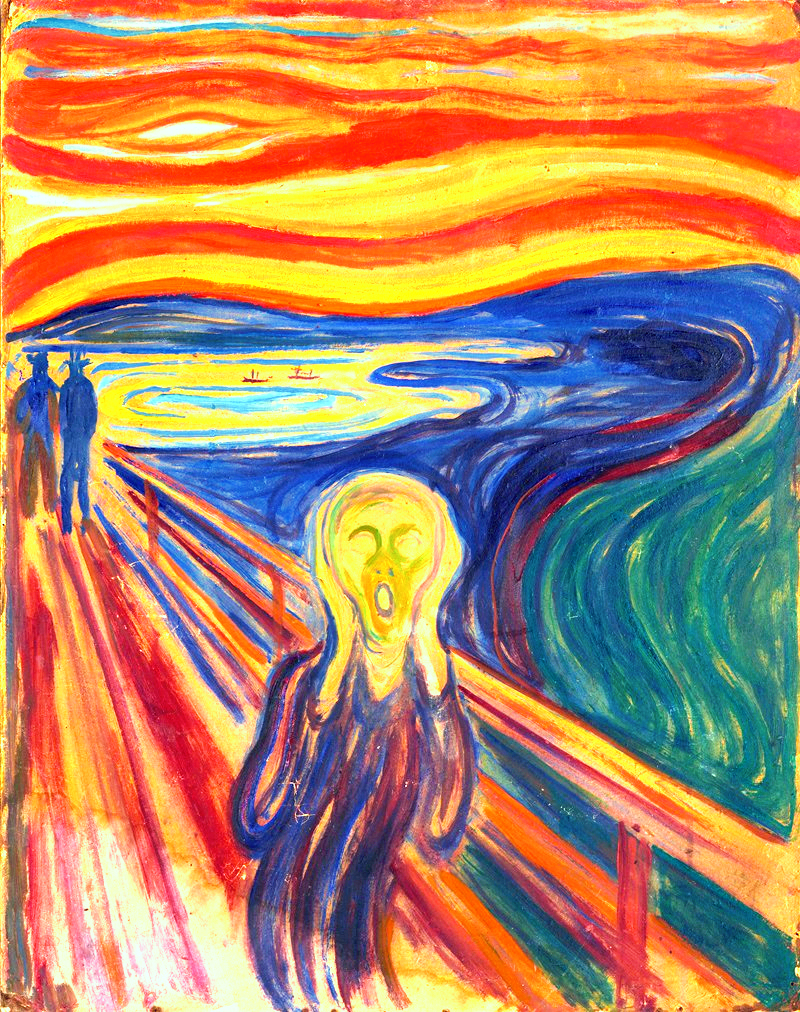
Una causa che vuole prendersi cura del mondo deve essere capace di fermarsi davanti alla paura di una persona.
E sotto questo frastuono temo che covi anche il desiderio di una mano forte: un potere che prometta di ristabilire l’ordine, chiedendoci in cambio di accettare l’oppressione. La violenza può rendere seducente questa promessa, soprattutto quando ci illudiamo che a perdere la libertà saranno sempre gli altri. È qui che rischiamo di preparare il terreno a nuove paure, nuove persecuzioni, nuove guerre.
Per questo vorrei prendere sul serio la storia della dea: riconoscere il terrore di chi abbiamo davanti, anche quando siamo convinti di agire per il bene di tutti.
(23 ottobre 2026)
Pages
Recent content
